
Leaving a fiscal sponsor without breaking the organization
LA Commons was paying a share of its revenue in fiscal-sponsor fees every year. Becoming an independent 501(c)(3) would save most of that, as long as the transition itself didn't stall the organization.
The situation
A community arts organization was preparing to become an independent nonprofit. The board needed to know what independence would cost, who would do the work of running finance and HR, and in what order the pieces had to happen.
What we did
- We built a separation readiness base with a project tracker, a timeline, and vendor and fund tracking, and trained the team on it.
- We ran an organizational and digital-workspace audit.
- We supported the Form 1023 preparation.
- We wrote the RFPs for financial-services firms and PEOs, interviewed the vendors, and built the cost analysis the Task Force decided from.
What changed
The cost analysis showed that the infrastructure LA Commons would need after separation cost well below the annual sponsor fee in each of the first two years. We recommended a part-time internal project manager, with finance and HR handled through a PEO, and gave the board a sequence it could follow.
The work of leaving a fiscal sponsor has a cost of its own. A board can decide quickly once that cost is written down.
Related case studies.

A map of 280 shows, built in under a week
At a festival with more than 3,500 shows and no way to find the queer ones, we built a free interactive map and planner. It reached 1,100 visitors in its first week.
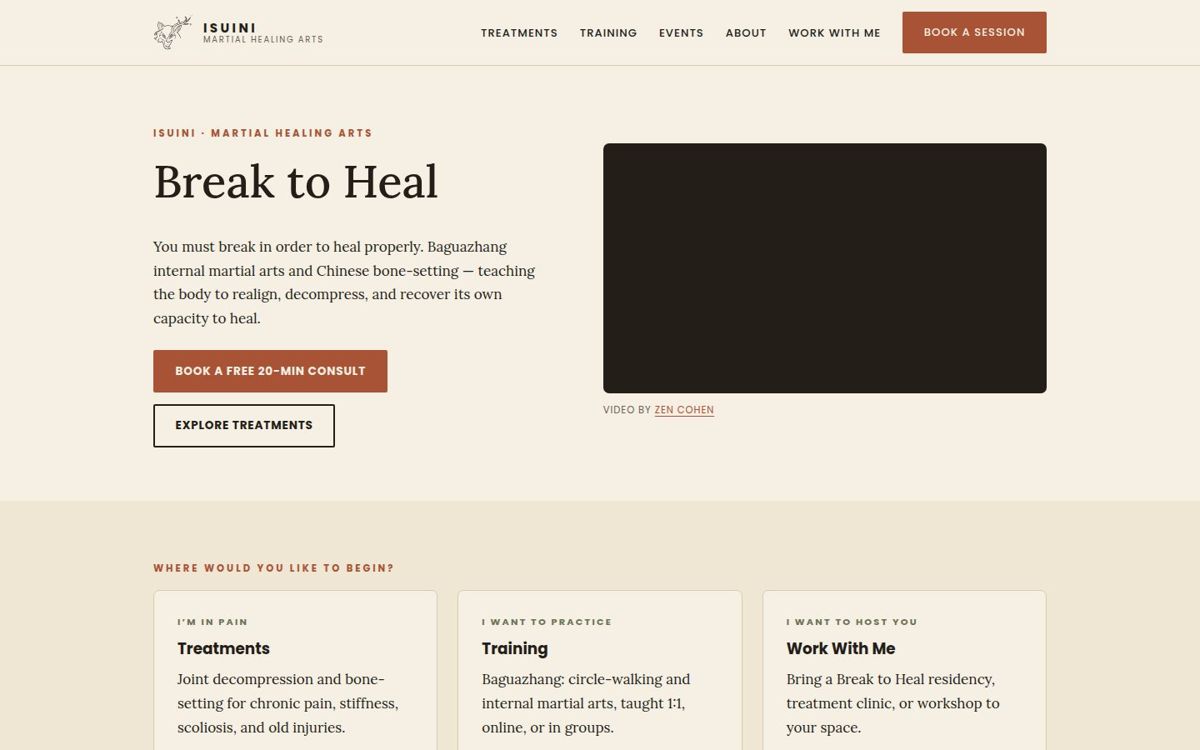
A clear offer, a real price, and a plan that fits a traveling practice
Four Clarity Sessions, part-funded by a Center for Cultural Innovation grant, produced a prioritized offerings menu with pricing, a website architecture plan, a six-month roadmap, and print collateral.
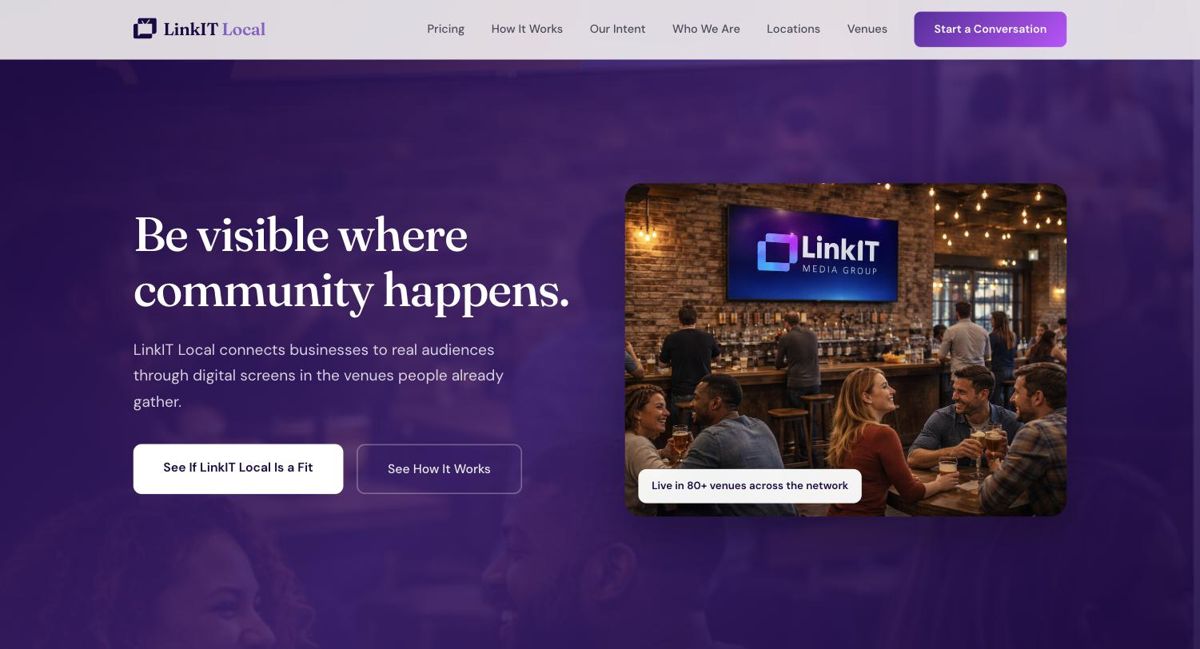
From disconnected systems to an integrated operating backbone
LinkIT Local™ is a community visibility network. As the company grew, the work of bringing a partner from first inquiry to renewal lived in separate systems. We planned the work in phases and built the backbone that connects it.
Want this kind of clarity for your organization?
Book a free 30-minute call. Tell us what's happening, and we'll tell you where we would start.