
From disconnected systems to an integrated operating backbone
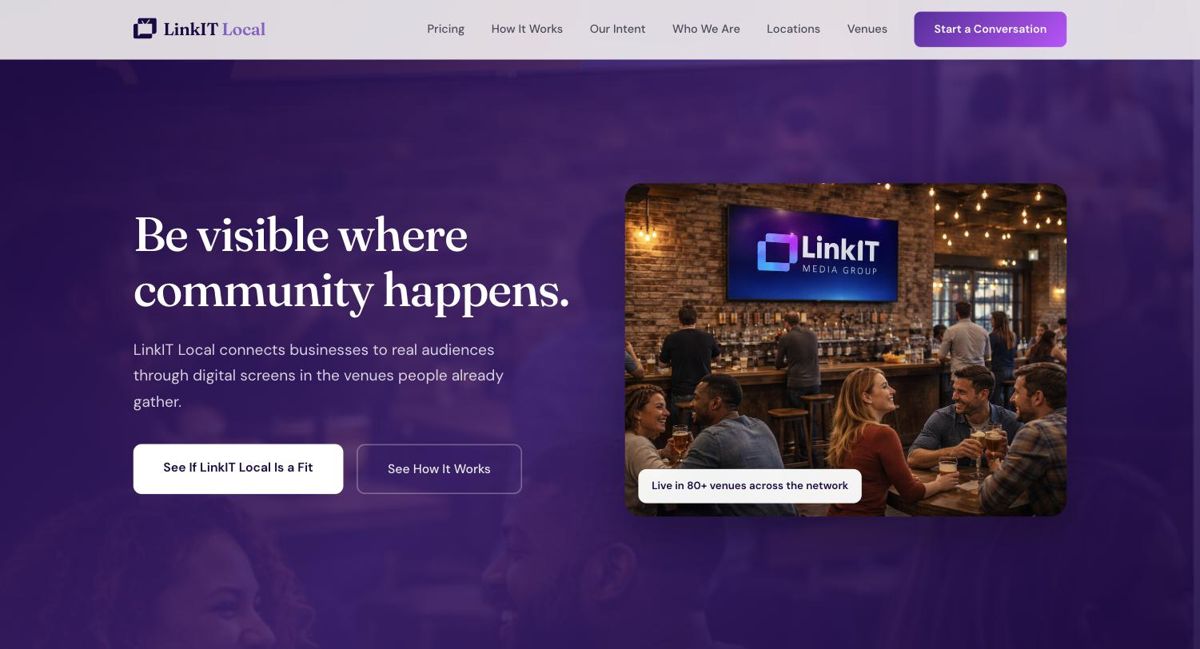
LinkIT Media Group runs LinkIT Local™, a community visibility network that features local businesses on screens in the venues where people already gather. When we started, the work of bringing a Visibility Partner from first inquiry to renewal lived in separate systems, and the team was growing.
The situation
A Visibility Partner is a local business featured within the LinkIT Local™ network. Every partner moved through the same lifecycle, from first inquiry to renewal, and the steps were handled manually across separate systems and records. The first plan was to automate everything at once.
What we built
- A phase plan came first. We mapped the workflows, defined what normal looks like when automation works, and identified where automation could create leverage and where people remained essential. It replaced the plan to build everything at once with a sequence.
- Then we built the operating backbone in phases, bringing previously disconnected workflows and information into a more integrated system.
- We also documented the system so the team could understand how the pieces fit together.
- We also built the company website, with inquiries routed into the same system.
What changed
Work that lived in disconnected systems now runs through a more integrated operating backbone, and sales, operations, and design work from the same information. The relationship continues today.
Our business grew faster than some of the systems behind it, and we knew we needed to become more intentional about how everything worked together. Michael helped us create more structure and visibility across the operation while building a stronger foundation for where LinkIT is going next.Brittany Holt & Michael J. Holt, Co-Owners, LinkIT Media Group, LLC
Phase planning is cheaper than the wrong build. It turned an ambitious all-at-once automation plan into a practical sequence the team could implement and sustain.
Related case studies.
From an hour of admin per booking to under 7 minutes
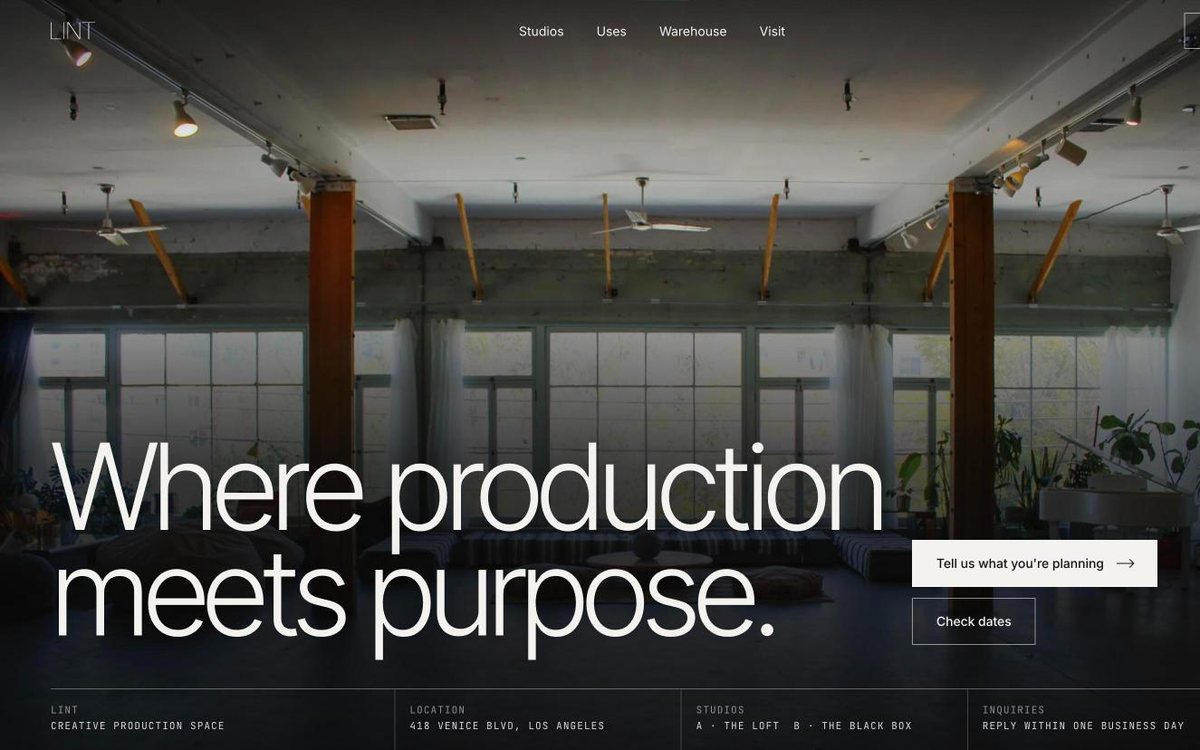
Taking one booking from inquiry to contract and invoice used to cost 45 to 60 minutes of hands-on work. The system now drafts the quote, follows up, and collects the signature and deposit, and a person approves each step.
A residency's operations, built to be run by its own staff
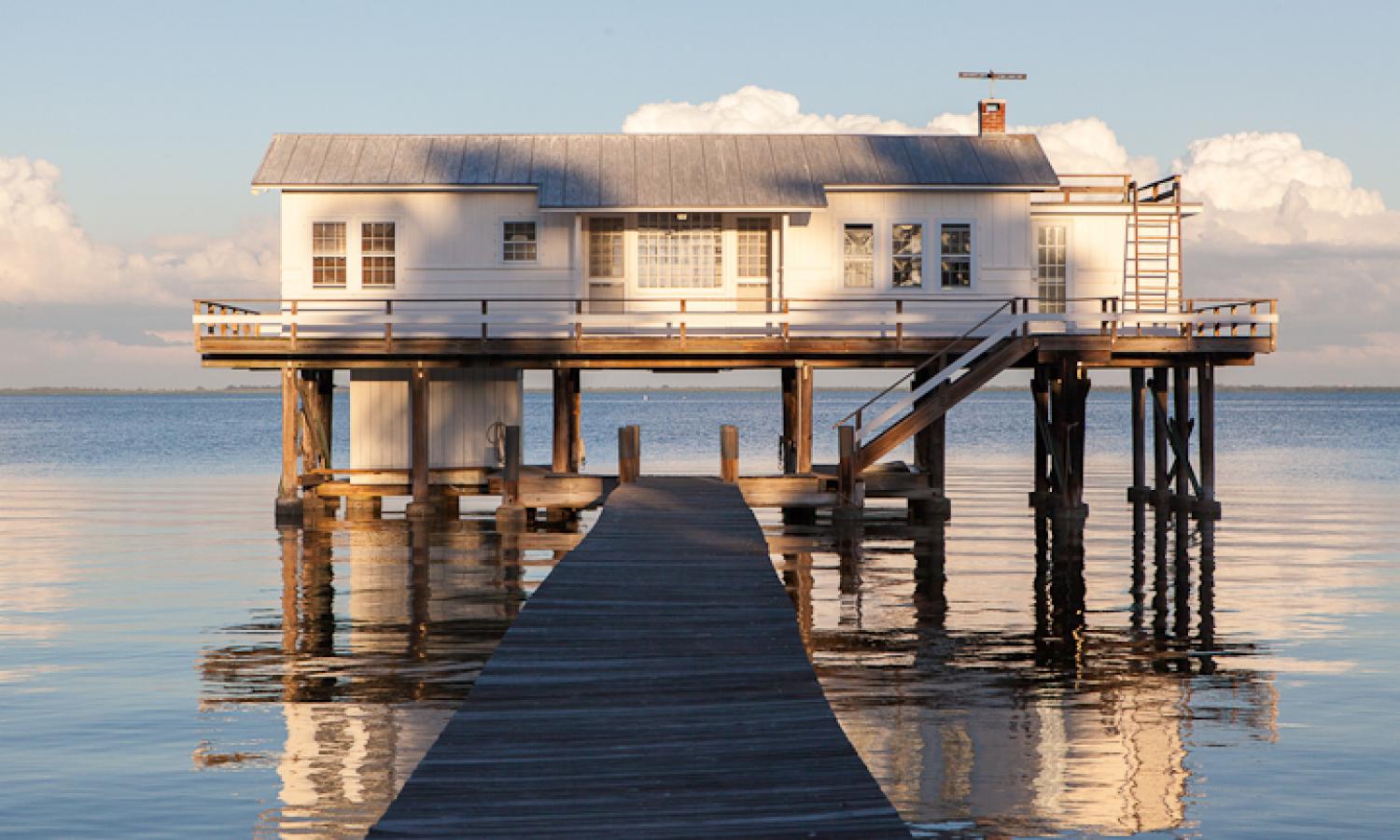
The invitation and intake system ran live for the 2023–24 cohort. The facilities system carried the island through a hurricane recovery. A staff owner was trained to build on both.
When the right answer was an off-the-shelf tool
We built a custom client portal and tested it with the team. The Nest decided that day-to-day work belonged in Asana, and we agreed. The prototype showed what the system needed to do.
Want this kind of clarity for your organization?
Book a free 30-minute call. Tell us what's happening, and we'll tell you where we would start.