
A residency's operations, built to be run by its own staff
The Rauschenberg Residency on Captiva Island brought cohorts of artists through the same sequence every session: invitation, intake, scheduling, contracts, travel, and housing. The foundation asked us to make that sequence run in one system, and to leave its staff able to build on it themselves.
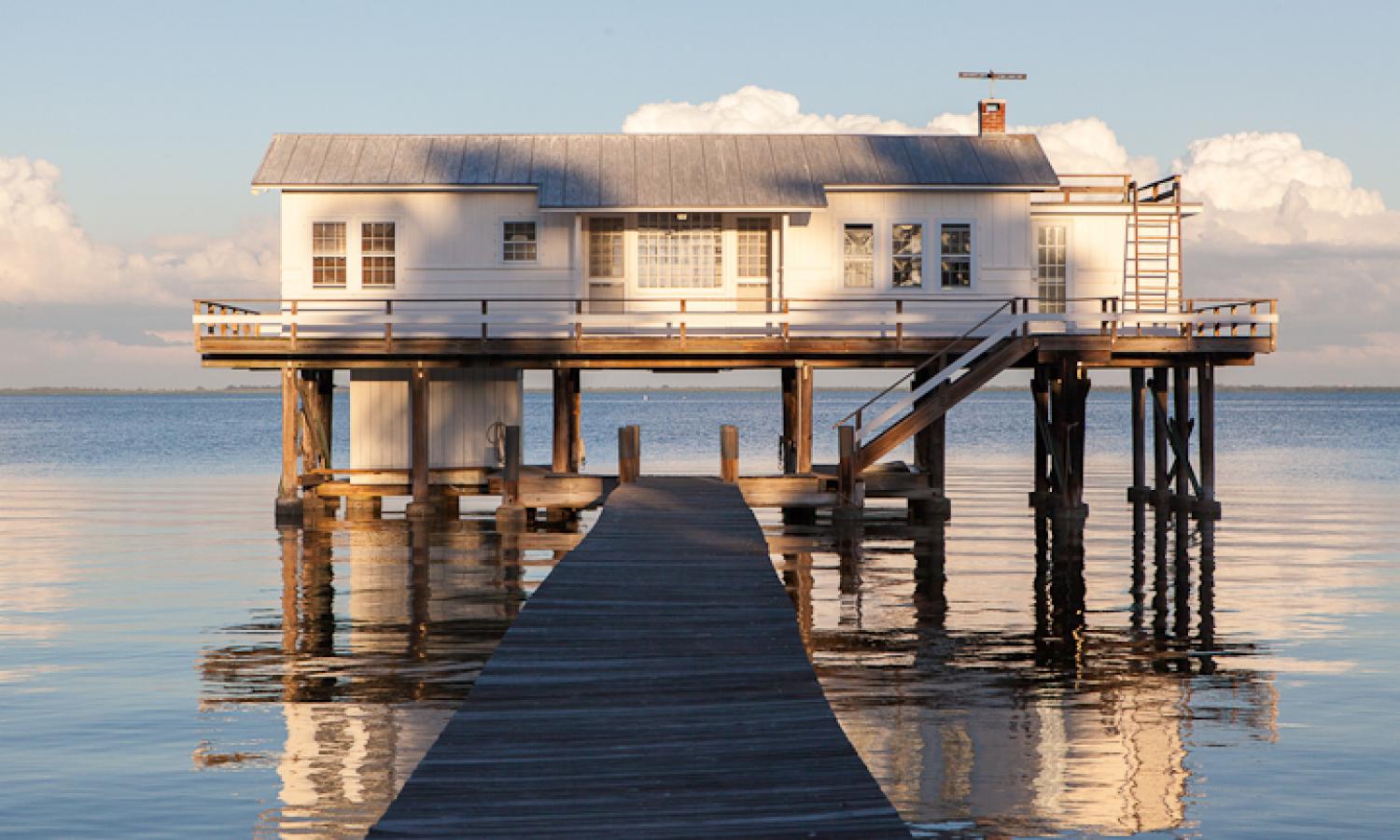
The situation
Each residency cohort meant re-creating the same steps by hand: inviting artists, collecting their information, matching them to sessions, sending contracts and tax paperwork, arranging travel and housing. The stated goal of the engagement, written into the agreement, was to increase the staff's confidence in building Airtable solutions for themselves.
What we built
- A residency management base with an invitation automation for four resident types, an intake form, and session-preference views. It went live in September 2022: 100 artists were invited and 35 responded in the first week.
- A facilities and maintenance base, with buildings and lots catalogued by staff, a vendor list, maintenance request forms, and inventory. After Hurricane Ian damaged the island that fall, this base became the tool for tracking repairs and replacements during the recovery.
- Training throughout for the studio manager, who by the end was cataloguing buildings and building his own email automations.
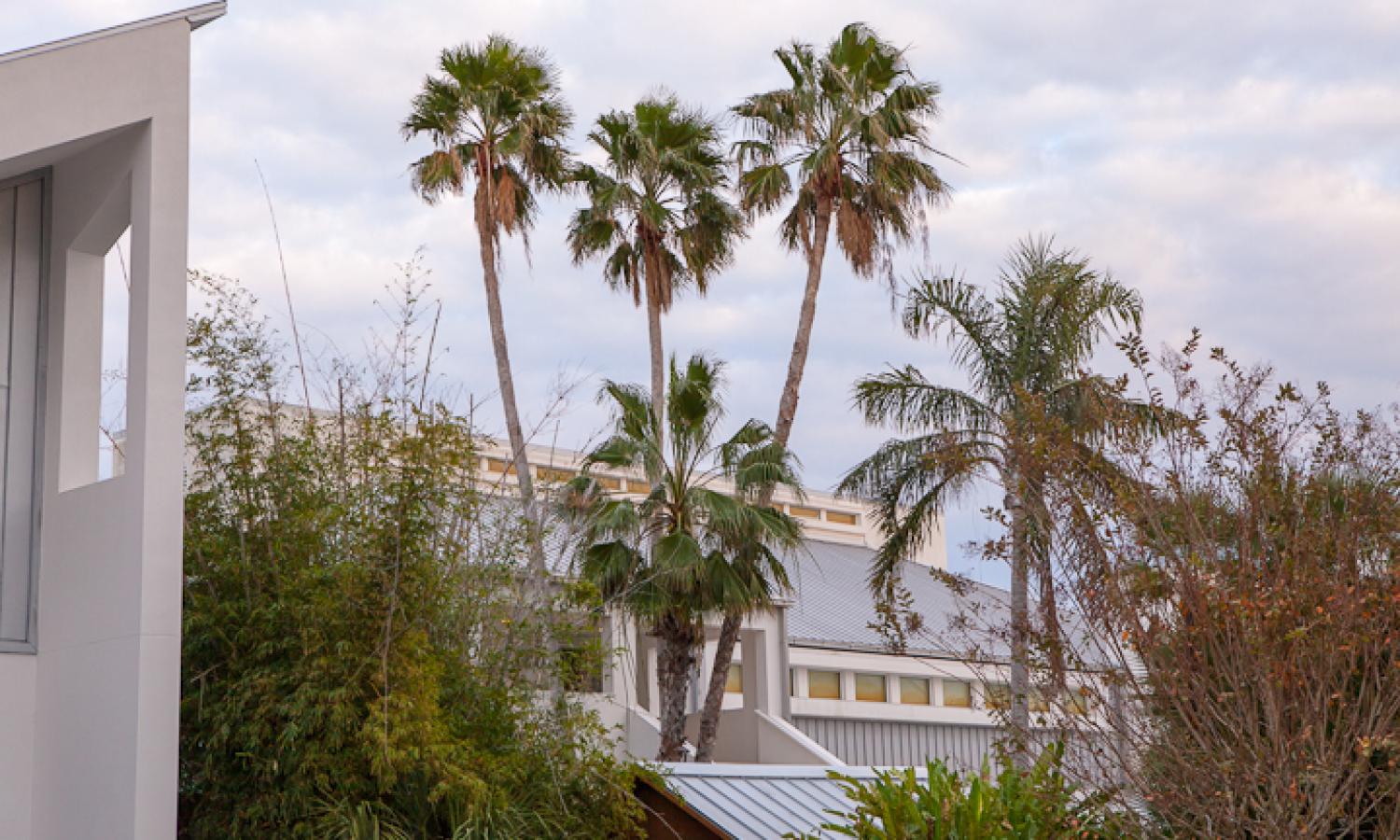
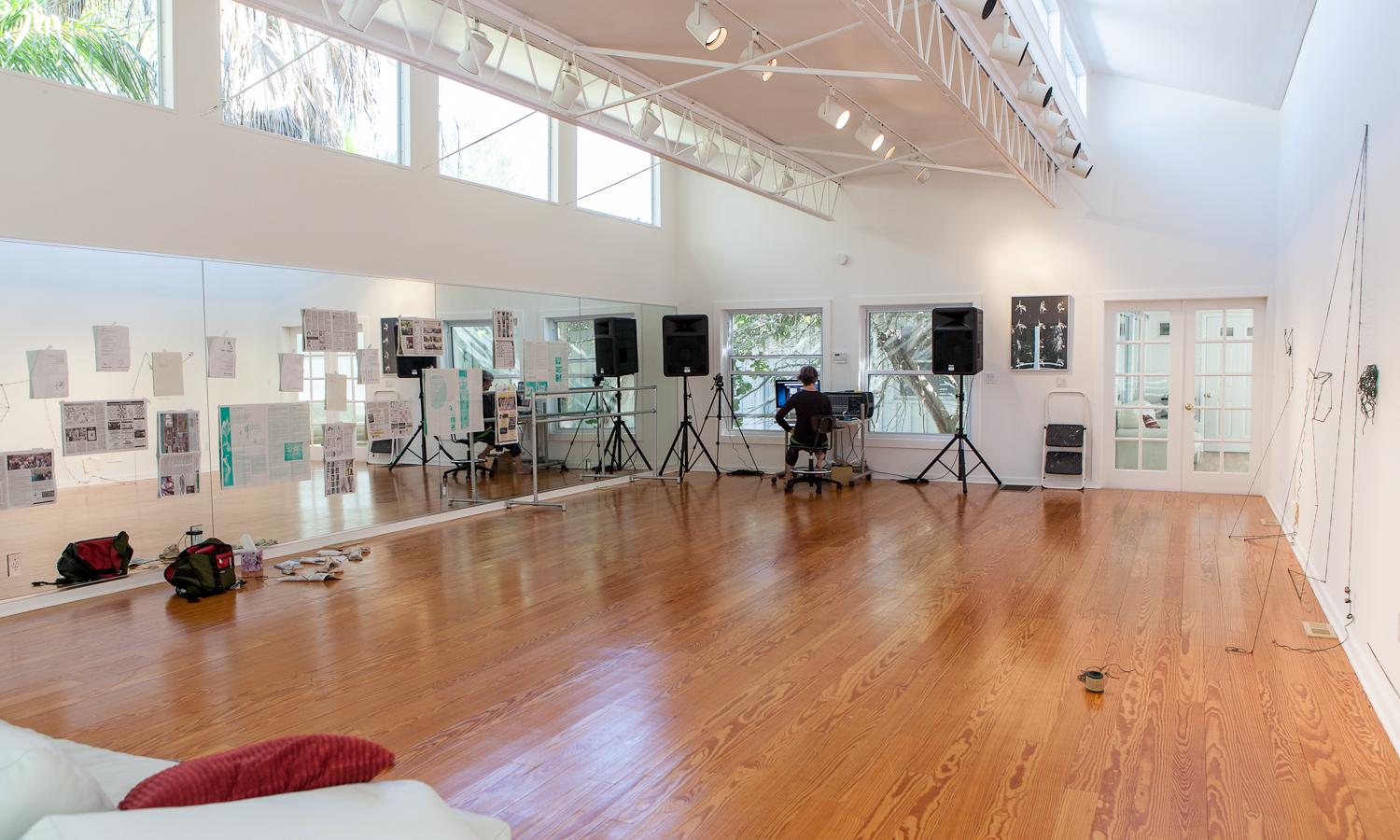
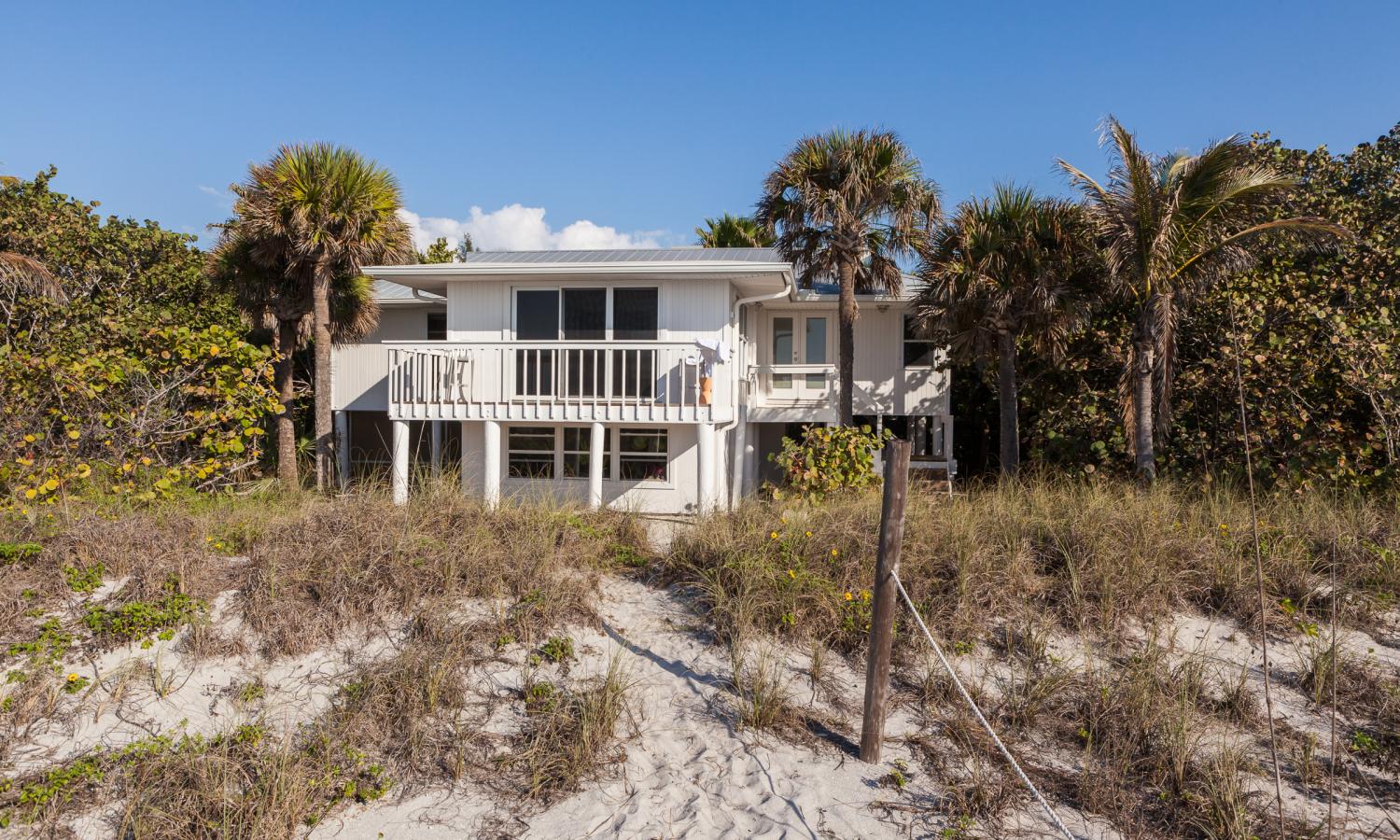
Photographs of the residency on Captiva Island, courtesy of the Robert Rauschenberg Foundation.
What changed
Reopening after the hurricane took longer than anyone expected, so the second-generation communications workflows we designed in late 2023 were not run with a live cohort before our engagement ended in 2024. What the foundation kept from our work was a working invitation system, a facilities system it used through the recovery, and a staff member who could extend both.
In 2025 the foundation announced that it would sell the Captiva property and bring the residency to a close, citing recurring storm damage, broader climate risks, and rising maintenance costs. More than 500 artists had been in residence there since 2012.
The most durable thing we can leave behind is a person on staff who can change the system without us.
Related case studies.
When the right answer was an off-the-shelf tool
We built a custom client portal and tested it with the team. The Nest decided that day-to-day work belonged in Asana, and we agreed. The prototype showed what the system needed to do.
Leaving a fiscal sponsor without breaking the organization
A community arts organization was preparing to leave its fiscal sponsor. We modeled what independence would cost, built the project tracker, and ran the vendor process.
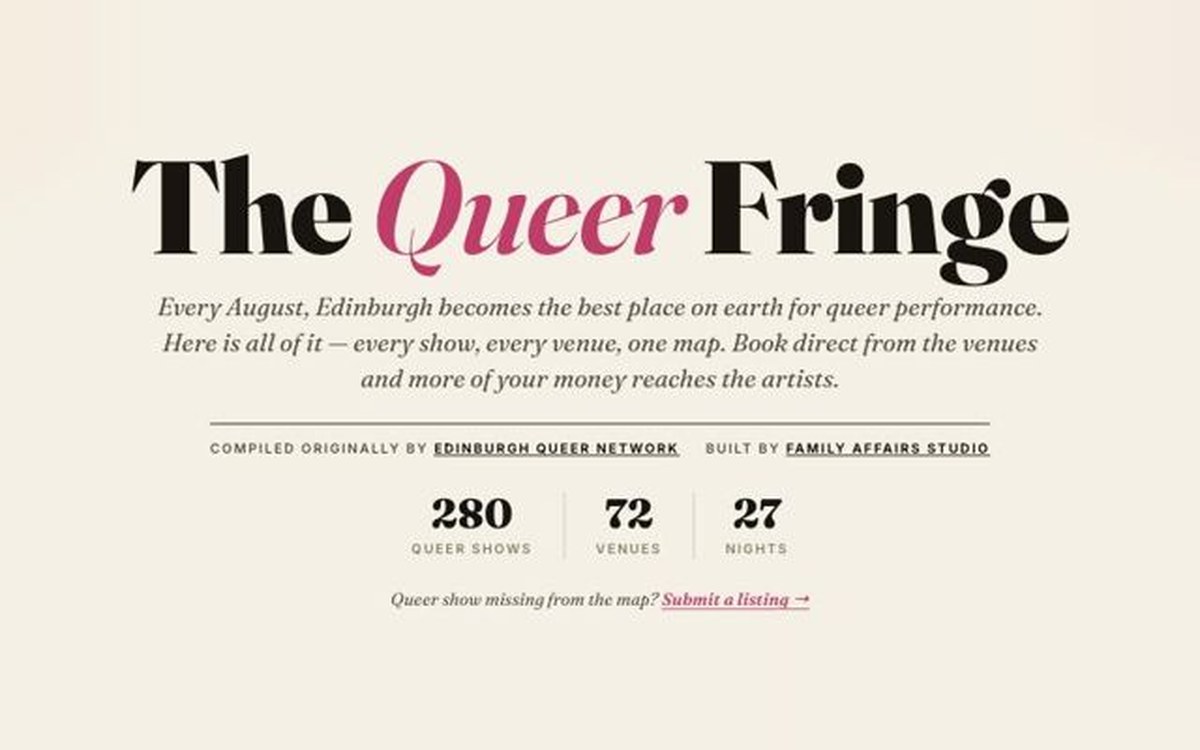
A map of 280 shows, built in under a week
At a festival with more than 3,500 shows and no way to find the queer ones, we built a free interactive map and planner. It reached 1,100 visitors in its first week.
Want this kind of clarity for your organization?
Book a free 30-minute call. Tell us what's happening, and we'll tell you where we would start.